The summer school “Practising Interdisciplinary in Planning and Design of Secondary Cities” discussed current issues of planning and architecture in Germany and Peru in an interdisciplinary and comparative way. It thematised research and practice in equal measure. While such a perspective is productively applied in the German context today, it is still relatively new in Peru. However, many faculties, including our partner institution, the Universidad San Martin de Porres (USMP) in Arequipa, would like to see a stronger exchange. Within the context of research, there has already been fruitful cooperation with USMP for several years, which is now being expanded to include teaching. In the future, we aim to intensify the exchange with the Brandenburg University of Technology Cottbus-Senftenberg (BTU) and we hope to soon exchange students and scientist from Cottbus and Arequipa. The summer school was an important building block on the way to a productive partnership.
Thematically, the summer school covered various academic discourses that were selected on the basis of their topicality and relevance, their interdisciplinary perspective and in consultation with the lecturers and students at our partner institution in Arequipa. Social science topics such as social inequality in cities, local culture, methods of field research and opportunities for participation in urban development were discussed alongside more traditional planning topics.
These included:
Peruvian and German planning and building law         
Current developments in infrastructure research
Innovative design practices
Heritage Studies
Participatory processes in planning and design Methods of field research
Informality
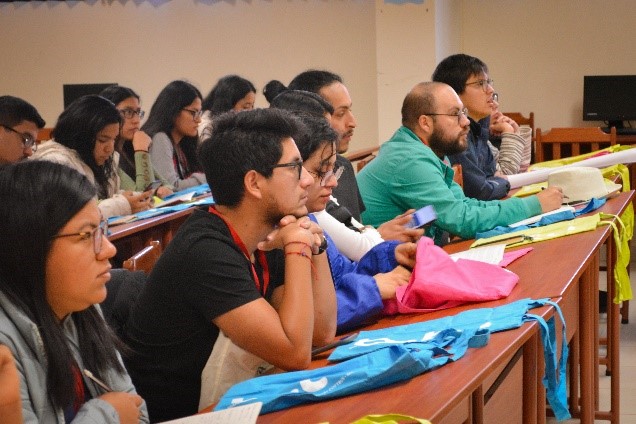
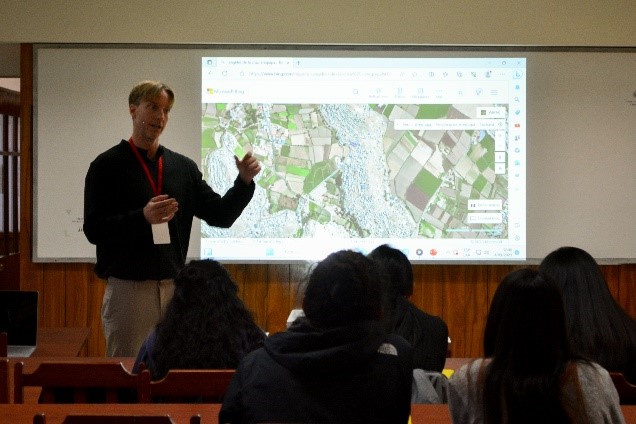
The summer school included two central, interlinked modules. The first comprised keynote lectures and subsequent workshops. We were able to recruit recognised experts for all of the keynote topics, ensuring a high quality of knowledge transfer. One function of the workshops was to critically discuss the acquired knowledge in small groups, each with a lecturer, and to jointly review its transferability to the context in Arequipa.
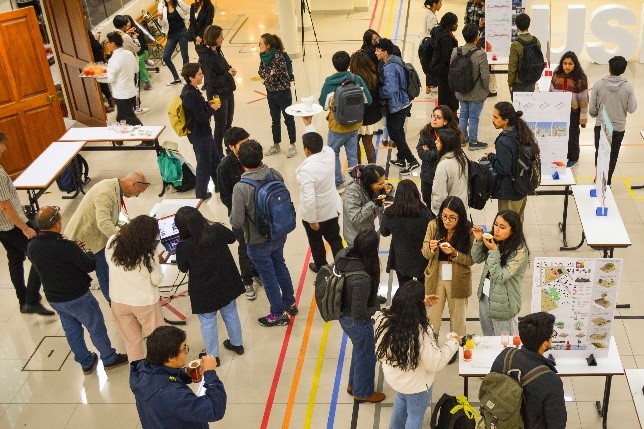
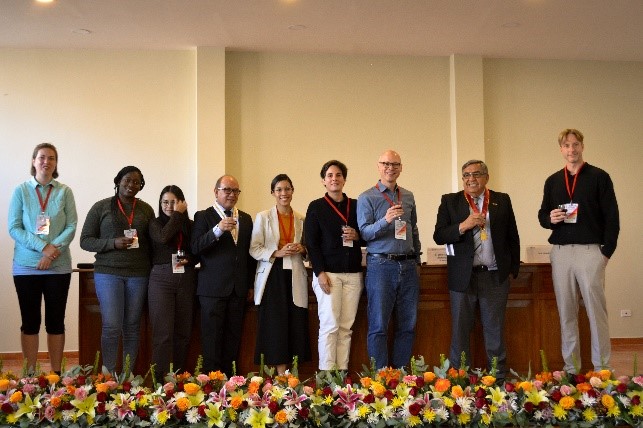
The second central component of the summer school was the work on practical planning and design tasks based on two examples that reflect the diversity of social realities and abundance of challenges for planning and architecture in Arequipa. The practical examples were explored in field trips in order to gain a common understanding of the local realities. We conducted fieldwork in the same areas where our Hybrid Urbanisms project work is taking place using the already existing good relations with the local neighbourhood associations. At the end, a final exhibition was organised with the help of many volunteers from USMP in which the projects of the summer school participants were presented to the public. A festive speech of Prof. Dr. Julio Calderón Cockburn marked another highlight of the eventful week.
The summer school delivered very concrete project ideas to improve living conditions in Ãngeles de la Cruz and Sector 10 in Peregrinos de Chapi. The Universidad de San MartÃn de Porres agreed to use the results of our summer school to further cooperate with the neighborhoods towards a realisation of some of the project ideas from our participants.
The aim of the proposed summer school was to work with participants to analyse current academic discourses with the aim of developing an interdisciplinary planning and architecture practice. This took place in a co-operative, interactive and experimental environment. The combination of topic-centred input, critical discussion in the workshops and the work on practical examples enabled a particularly productive transfer of what has been learned and an increase in knowledge on both sides. We believe that the summer school will have lasting effect on the participants’ later work in practice and research. At the same time, everyone benefited from the interdisciplinary orientation of the event, which allowed for new perspectives and arguments and also emphasised the attractiveness of Germany as a research location.
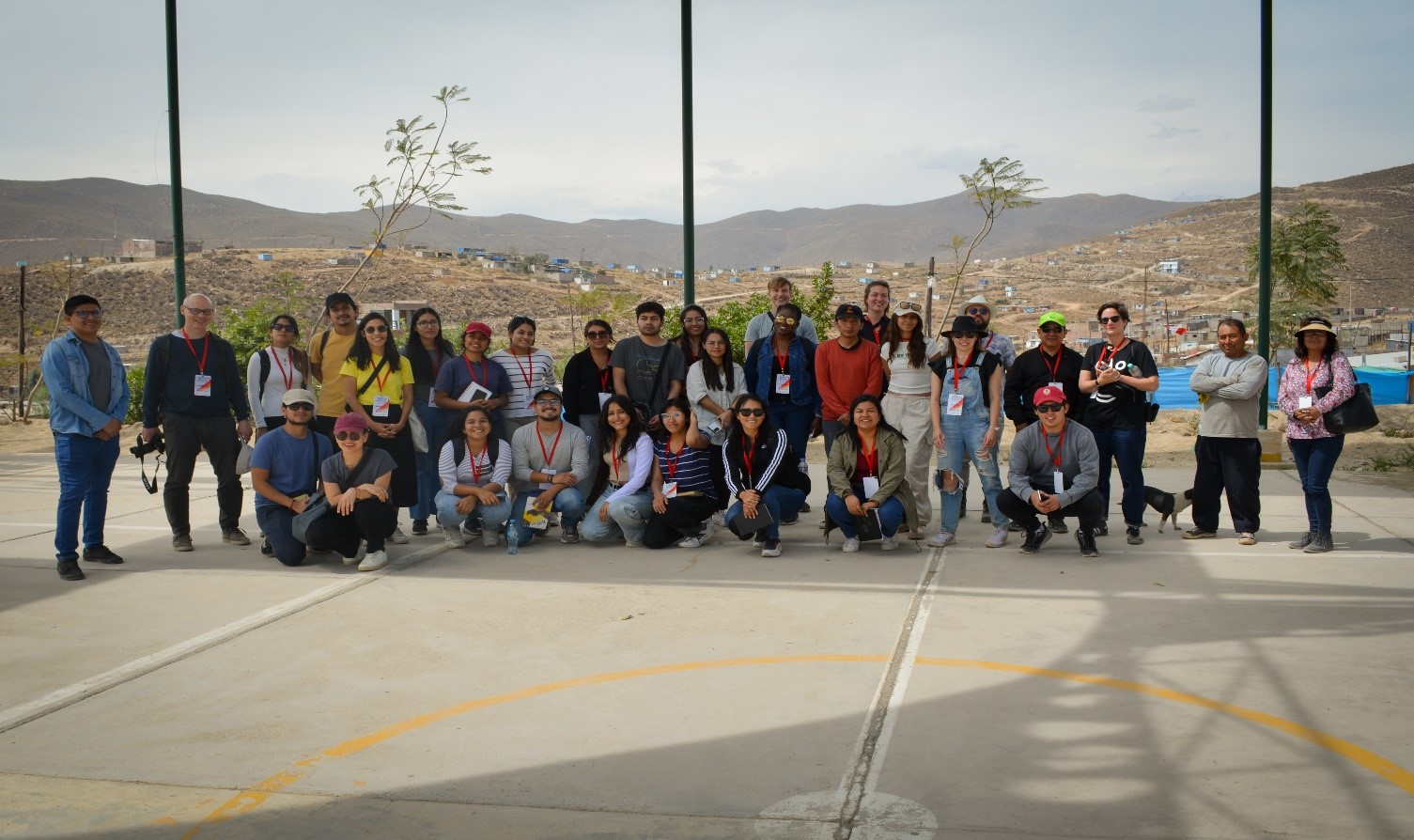
This Summer School, organised in the context of the Hybrid Urbanisms project and funded by the German Academic Exchange Service (DAAD) brought together a total of nine lectures from different universities in Germany and Peru and from different academic disciplines. A call for participation was released in early 2023, looking for motivated students, professionals and scholars to apply for the event by handing in a CV and a motivational statement as well as examples of their work in design and/or scientific writing. In the reviewing process, the organising team from Brandenburg University of Technology (B-TU) and Universidad San MartÃn de Porres (USMP) selected 23 participants for the summer school, each of them bringing individual perspectives and expertise to the group.